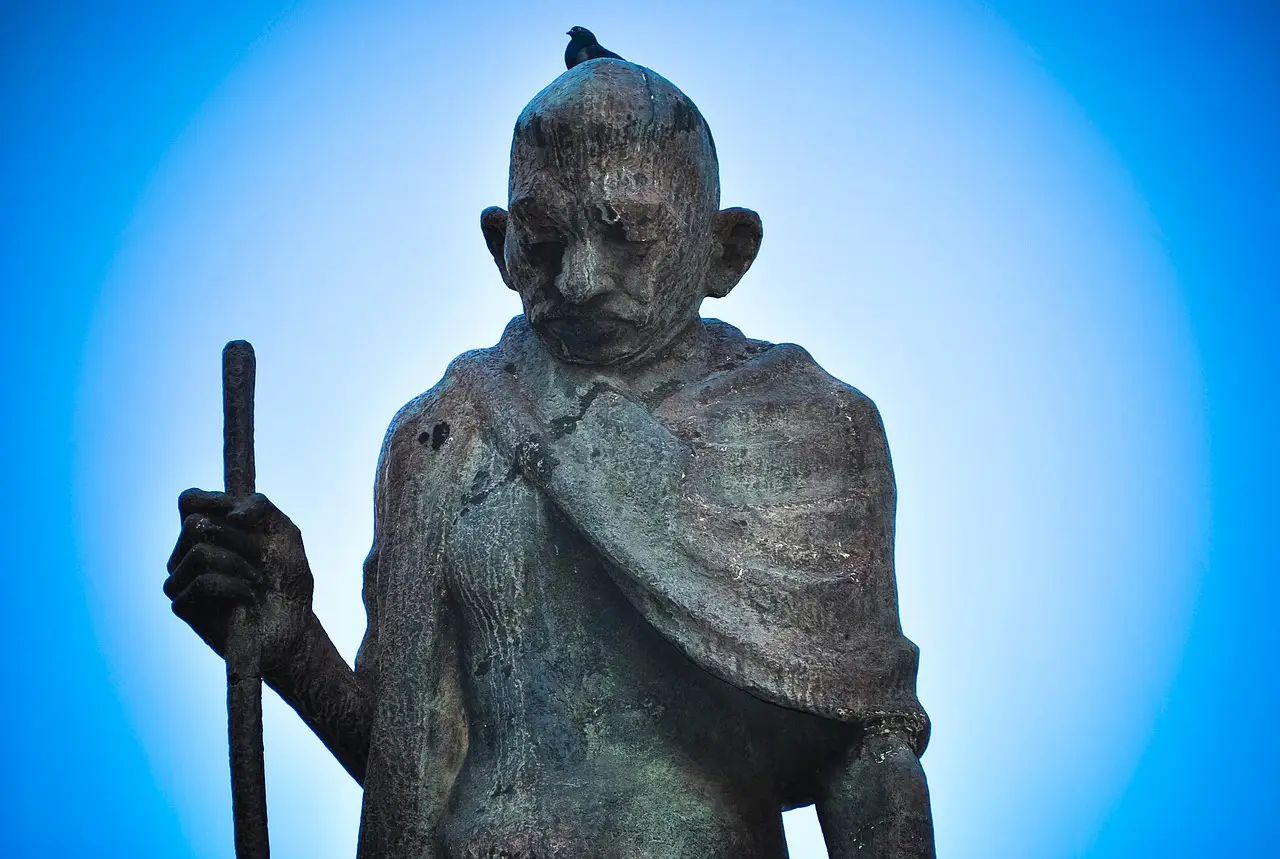
Mahatma Gandhi's 1922 Dissent StatementEchoes in Delhi Protests
Os jovens protestantes, que exigem retenção e direitos constitucionais em Delhi, têm comparado-se à declaração judicial de Gandhi em 1922 sobre dissidência pacífica durante um lockdown de segurança.
Ebenezer News Explainer DeskExplainers are written from our published summary and its cited sources, then checked against them.11 Oct 2026, 09:56 amUpdated 46 min ago4 min readIndiaIndia
Mahatma Gandhi's 1922 Dissent Statement Echoes in Delhi Protests
Os jovens protestantes de Delhi, que chamaram pela resistência passiva diante de um aprimoramento das forças de segurança, foram detidos. As suas ações e exigências para o controle e os direitos constitucionais ecoam as palavras do tribunal em 1922 contra confrontar a força através da dissidência pacífica de Mahatma Gandhi.
Jovens protestantes detidos em Delhi
Jovens protestantes foram detidos na capital nacional. Eles haviam chamado pela resistência passiva. Isso ocorreu durante um significativo aumento das forças de segurança.
Os manifestantes exigiam a renúncia do Comissário Eleitoral Gyanesh Kumar e também buscavam restrição e direitos constitucionais. Suas ações levaram à detenção.
Por que as palavras de Gandhi são importantes agora
Mahatma Gandhi's 1922 court statement on dissent is being recalled. This is happening as current protests in Delhi mirror aspects of his struggle against power. The protesters' demand for constitutional rights and peaceful resistance resonates with Gandhi's philosophy.
Gandhi's stance highlighted that affection cannot be manufactured or regulated by law. He asserted freedom to express disaffection without inciting violence. He also stressed that non-violence meant voluntary submission to penalties for non-co-operation.
These principles are fundamental to democratic expression. They underscore the right to voice grievances peacefully, even against state power.
A direito à liberdade de expressão e de opinião.
A direito de associação e manifestação pacífica.
A direito de expressar reclamações por meio de manifestações pacíficas.
Como chegamos aqui?
Mahatma Gandhi made his statement in a colonial court on March 18, 1922. He was on trial for articles published in his journal, ‘Young India’. He and his editor pleaded guilty and received a six-month sentence.
Gandhi's statement came during a sedition trial. He was defending the right to express dissent. He distinguished between non-violent non-co-operation and violent actions.
In post-Independence India, the Supreme Court has upheld the spirit of Gandhi's dissent. Article 19 of the Constitution enshrines rights to free speech, expression, association, and peaceful assembly.
The Supreme Court has affirmed that public streets are natural venues for expressing opinions. While reasonable restrictions for public order are permissible, arbitrary bans are not.
A 1972 Supreme Court judgment stated that the right to assemble could not be abridged except by reasonable restrictions after the Constitution's commencement.
In 2016, the Supreme Court reiterated that peaceful protest is a fundamental right. It recognised organised, non-violent protest marches as a key weapon in India's struggle for Independence.
O que acontece a seguir?
The current situation in Delhi involves detained protesters. Their detention raises questions about the balance between public order and fundamental rights.
Future actions may involve legal challenges to the detentions. These could be based on constitutional rights to peaceful assembly and expression.
Watch for any legal petitions filed by or on behalf of the detained protesters.
Observe how authorities respond to demands for restraint and constitutional rights.
Monitor any further statements from judicial bodies regarding protest rights.
Factos-chave em resumo
Os jovens protestantes foram detidos em Delhi.
Eles chamaram pela resistência passiva durante um aprimoramento de segurança.
Manifestantes exigiam a renúncia do Comissário Eleitoral Gyanesh Kumar.
Seus atos ecoam a declaração judicial de dissidência de Mahatma Gandhi em 1922.
Gandhi declarou que a afetividade não pode ser fabricada ou regulada pela lei.
Ele afirmou liberdade para expressar descontentamento sem incitar violência.
A Constituição indiana assegura os direitos à liberdade de expressão e às assembleias pacíficas.