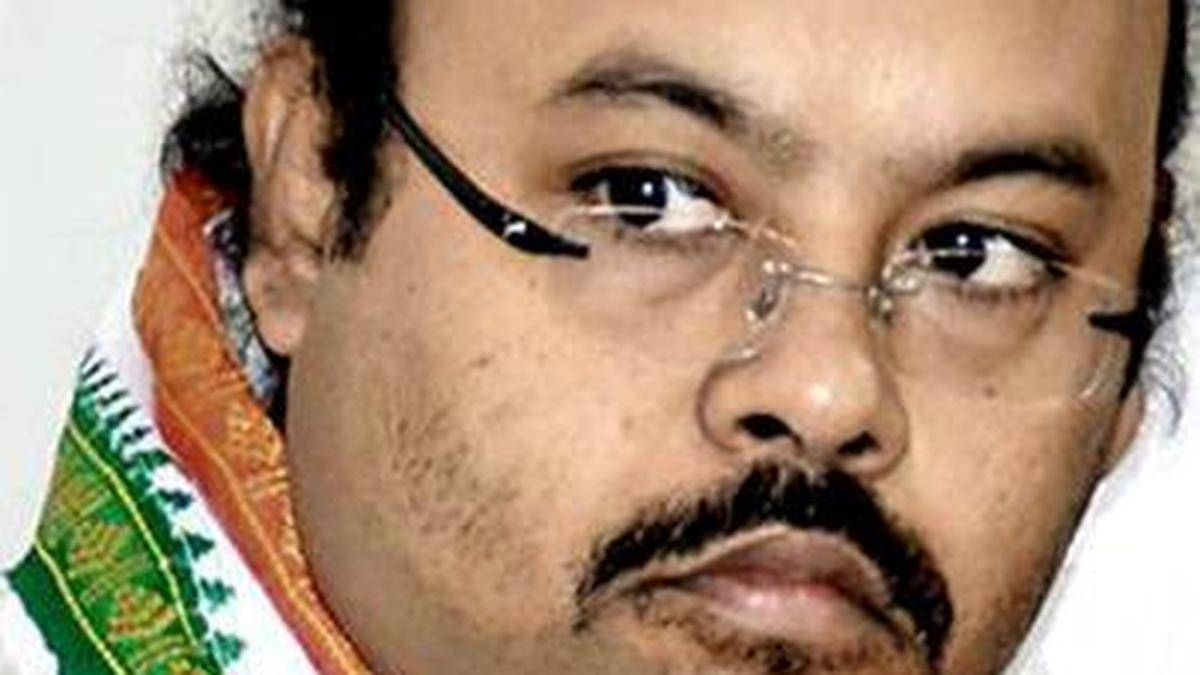
The present zamindar of Ettayapuram has released a book titled Bharathi Porchitiram, which details the historical connection between the estate and the national poet Subramania Bharati. This publication highlights the patronage provided to the poet while revisiting the controversial legacy of the zamindari rulers in southern Tamil Nadu.
A new historical account
The book, written by Kadarkarai, provides a detailed look at the life and work of Subramania Bharati. It documents the various places where the poet lived, the legal cases he faced, and the newspapers he worked for during his lifetime.
Beyond the poet's personal history, the work traces the origins of the Ettayapuram zamindari. It includes photographs and facsimiles of original documents to offer a comprehensive view of the estate's past.
This coffee-table book serves as a record of the poet's relationship with the rulers of the time. It explains how Ilasai Subramanian came to be known as Ettayapuram Bharati, noting that the title was conferred upon him by the local zamindar.
The book also highlights the poet's early writing, including an appeal dated January 24, 1897. This document was addressed to the Ettayapuram Poligar.
Why this matters today
The history of Ettayapuram is often viewed with mixed reactions due to its past association with the British East India Company. While the estate is remembered for its patronage of Tamil literature and Carnatic music, it remains linked to historical controversies regarding its rulers.
Specifically, the rulers of Ettayapuram were once accused of colluding with the British against Veerapandiya Kattabomman, the Poligar of Panchalankurichi. This event has made the name Ettappan synonymous with betrayal in some historical narratives.
- The book examines the complex relationship between the poet and his patrons.
- It highlights the cultural contributions of the Ettayapuram estate to Tamil society.
- Readers can learn about the historical evolution of the zamindari system.
- The text provides insight into the life of a national icon through primary sources.
- It documents the specific challenges poets faced when seeking financial assistance from rulers.
Understanding these dynamics is important for those studying the social history of the region. It shows how personal relationships between poets and rulers functioned within the constraints of colonial rule.
Background of the estate
Ettayapuram was one of the 72 palayams in Tamil Nadu. The territory was reportedly granted to Muthukrishnappa Naicker, a general of the Madurai Nayak king, as a reward for his military service after he was killed in battle.
Historical records indicate that the estate once comprised 349 villages and spanned a significant amount of land. The zamindari maintained an annual revenue of 3.5 lakh and held authority over a vast region in the present-day Thoothukudi district.
Another significant historical account of the region is Vamsamani Deepikai, written by Pandithar Kavikesari Sri Sami Dikshitar. This work was published in 1879 and recorded events from 1868 to 1878.
The book also notes that Muthuswami Dikshitar, one of the Trinities of Carnatic music, received patronage from the Ettayapuram ruler. He spent his final days there and is still commemorated by a memorial.
What happens next
The publication of this book may encourage further academic interest in the history of the Ettayapuram palayam. Researchers and historians could use these newly compiled documents to better understand the regional dynamics of the colonial era.
- Scholars may analyze the newly provided facsimiles of original documents to verify historical timelines.
- Educators could use the book to discuss the evolution of Tamil prose and the influence of Sanskrit.
- Public interest in the historical sites associated with the poet may increase as more archival material is shared.
- Future studies may look into the specific financial appeals made by poets to local rulers for support.
It is possible that this documentation will lead to a broader appreciation for the cultural legacy of the estate. The current zamindar has already taken steps to honor the poet by installing a statue and using a ceremonial palanquin.
Key facts at a glance
- The poet Subramania Bharati lived from 1882 to 1921.
- Ettayapuram had a population of 1.5 lakh.
- The estate included 9,000 acres of wetlands.
- Another 2,90,000 acres of land were under the estate's control.
- The 37th ruler of Ettayapuram reigned from 1899 to 1915.
These facts provide a snapshot of the scale and influence of the zamindari. By documenting these figures, the book helps ground the narrative of the poet within the economic and social reality of his time.
Read the news report this explainer is based on: The poet and his patrons: Tamil Nadu’s Ettayapuram honours Subramania Bharati.
Source: Ebenezer News Explainer Desk · Ebenezer News Explainer Desk. Published 14 Oct 2026, 07:10 am.