Ebenezer News Explainer DeskExplainers are written from our published summary and its cited sources, then checked against them.17 Oct 2026, 11:45 amUpdated 1h ago3 min readIndiaIndia
Understanding the Punjab Congress leadership transition
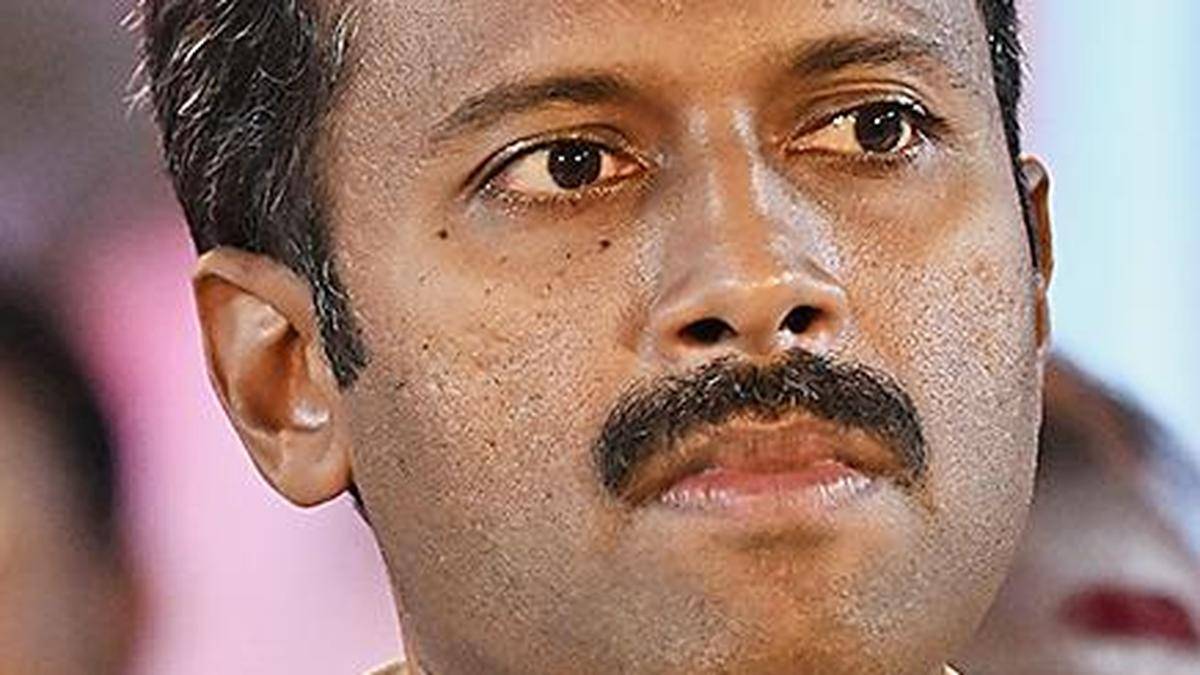
Ludhiana MP Amrinder Singh Raja Warring has publicly pledged his continued loyalty to the Congress party and Rahul Gandhi after stepping down as Punjab Congress president. This transition comes as the party prepares for upcoming Assembly elections amid internal disagreements over leadership.
Recent changes in Punjab leadership
Amrinder Singh Raja Warring resigned as the Punjab Congress president on October 1.
This decision followed a period of internal unrest within the state unit regarding the party's direction ahead of the 2027 Assembly elections.
Following his resignation, the party appointed Pargat Singh, a former hockey captain and three-time Jalandhar Cantt MLA, as the new state unit chief.
This appointment was finalized on October 2 after weeks of discussions within the party hierarchy.
Why this matters for the party
The leadership shift reflects ongoing efforts by the Congress high command to stabilize the state unit before the next election cycle.
The internal dynamics affect several key stakeholders within the organization:
Current party members seeking clarity on leadership roles.
Potential candidates hoping for ticket allocations for the Assembly elections.
Youth leaders advocating for increased representation in the party.
Former state unit officials navigating their new roles within the organization.
Supporters of various factions within the Punjab Congress unit.
These developments are significant because they highlight the challenges of maintaining a united front.
Mr. Warring acknowledged that he faced opposition during his tenure and noted that such friction may persist as the party moves forward.
Background of the internal transition
Leadership changes in political parties often occur when high commands seek to address internal dissatisfaction or prepare for upcoming electoral battles.
In this instance, a section of leaders, including Charanjit Singh Channi, had expressed opposition to the previous leadership structure.
Mr. Warring stated that he voluntarily relinquished his charge after learning that Sachin Pilot, the AICC’s Punjab in-charge, favored a change.
The transition process involved a formal ceremony at the Congress Bhavan on October 11, where the new president officially took charge.
What happens next for the party
The party is now focused on its objective of forming the next government in Punjab.
Observers and party members will likely watch for the following developments in the coming months:
The finalization of ticket distribution strategies for the Assembly elections.
The extent of cooperation between the new state leadership and existing party members.
The party's ability to integrate youth leaders into the campaign as suggested by Mr. Warring.
How the party manages remaining internal differences during the election season.
Mr. Warring has expressed his intention to support the new leadership, regardless of his personal standing regarding future ticket allocations.
He emphasized that his primary focus remains on his role as a soldier of Rahul Gandhi.
Key facts at a glance
Amrinder Singh Raja Warring resigned as Punjab Congress president on October 1.
Pargat Singh was appointed as the new state unit chief on October 2.
The official ceremony for the new president took place on October 11.
Mr. Warring has urged the party to allot more than 50 per cent of tickets to youth candidates.
The Assembly elections in Punjab are scheduled for early next year.