Ebenezer News Explainer DeskExplainers are written from our published summary and its cited sources, then checked against them.19 Oct 2026, 04:21 pmUpdated 53 min ago3 min readIndiaIndia
Telangana is planning a 14-month foodgrain buffer to protect 3.42 crore PDS users from potential drought and price rises. This move aims to ensure food security even if El Niño affects future agricultural seasons and crop yields.
Current rice stock status
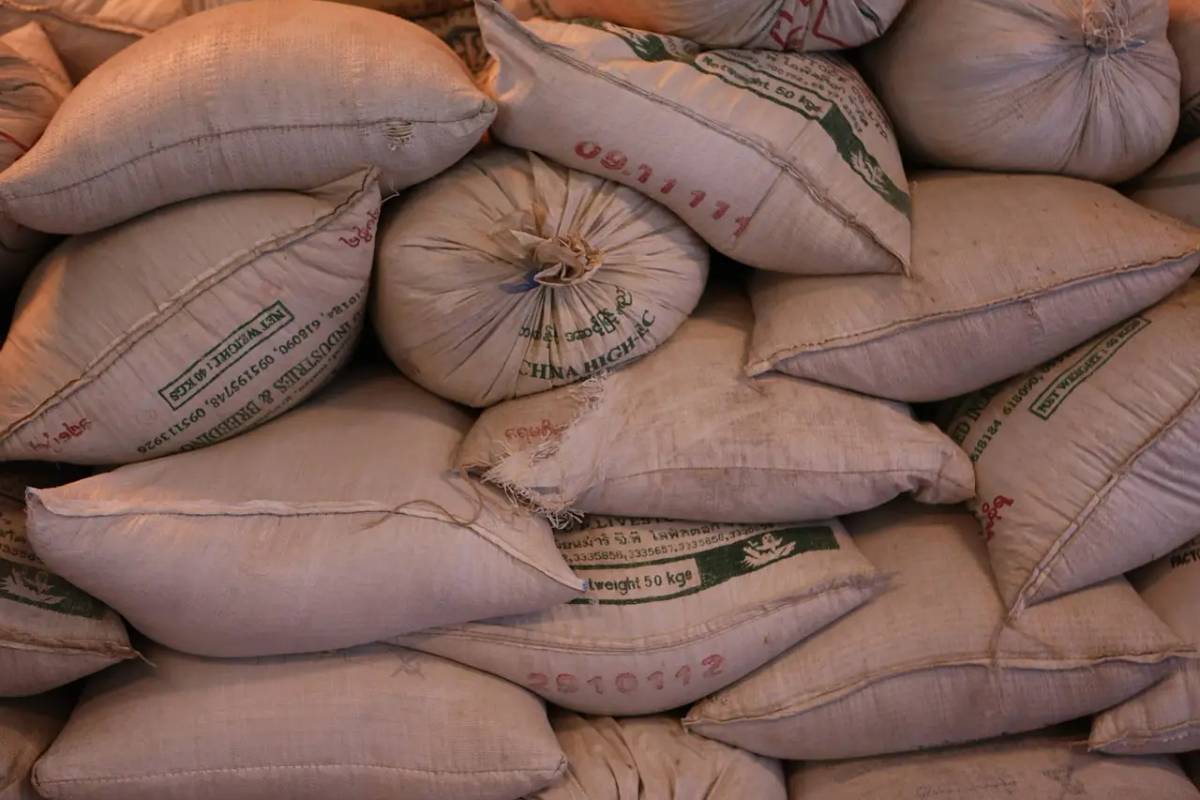
The state currently holds 9.64 lakh tonnes of rice in its buffer godown. This stock includes 3.50 lakh tonnes under central pool schemes.
Another 6.14 lakh tonnes are held under the state pool. These figures represent the current physical stock available as of October 16.
Officials expect an additional 18.39 lakh tonnes from pending custom milled rice deliveries. These are identified supplies yet to reach government stocks.
Once these pending supplies arrive, the total availability is estimated at 28.03 lakh tonnes. This combines existing stocks with anticipated receipts.
Why this buffer matters
The primary goal is to shield households from the economic shock of potential crop failures. El Niño often leads to deficient rainfall, which can reduce harvests.
Such weather patterns can drive up market prices for essential items. A robust buffer allows the government to maintain supply continuity during these periods.
It reduces the need to depend entirely on the success of the next paddy harvest. This provides a safety net for millions of beneficiaries.
3.42 crore PDS users are directly protected by this security measure.
Households gain a cushion against potential spikes in food prices.
Welfare schemes, including mid-day meals, remain uninterrupted during shortages.
The state avoids dependency on immediate harvest success for daily needs.
How the plan developed
Civil Supplies and Irrigation Minister N. Uttam Kumar Reddy reviewed these stocks on October 19, 2026. He directed officials to plan procurement well in advance.
The state requires approximately 2.38 lakh metric tonnes of rice every month. This equates to 28.56 lakh tonnes annually for all distribution channels.
These requirements cover the Central Pool Public Distribution System and other welfare schemes. The mid-day meal programme is also included in this total.
With current and expected stocks, the state can meet these requirements for about 11.7 months. The plan extends this coverage to 14 months for extra margin.
What happens next
The department must ensure pending rice supplies reach government stocks on schedule. Close monitoring of deliveries from rice millers is essential.
The government is also evaluating the distribution of other essential commodities through the PDS. This includes items like wheat flour.
Officials are calculating the financial implications of supplying these items at subsidized rates. They are working out the quantities required per user.
Pending custom milled rice deliveries must be tracked closely.
Financial estimates for additional commodity distribution will be finalized.
Proposals for wheat flour and other items may be placed for decision.
Procurement arrangements for essential items will be worked out.
Key facts at a glance
Total estimated rice availability is 28.03 lakh tonnes.
Current buffer godown stock stands at 9.64 lakh tonnes.
The buffer aims to cover up to 14 months of demand.
Monthly rice requirement is approximately 2.38 lakh metric tonnes.
18.39 lakh tonnes are expected from pending deliveries.