Voting rights for Aligarh MuslimUniversity Women’s College students explained
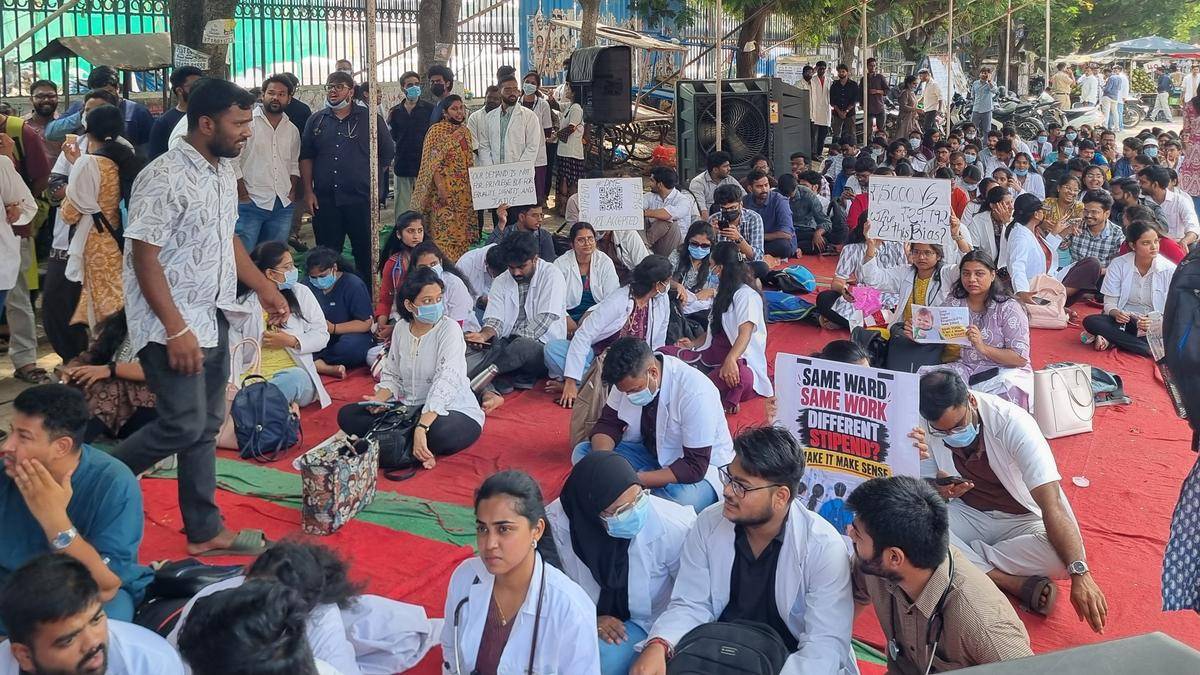
Undergraduate women students are seeking intervention from the Union Education Minister to participate in the upcoming Aligarh Muslim University Students’ Union election.
Ebenezer News Explainer DeskExplainers are written from our published summary and its cited sources, then checked against them.3 Nov 2026, 06:13 pmUpdated 49 min ago3 min readIndiaIndia
Voting rights for Aligarh Muslim University Women’s College students explained
A group of students from the Aligarh Muslim University Women’s College has requested the Union Education Minister to grant them voting rights in the upcoming Aligarh Muslim University Students’ Union election. This matter highlights a debate over equal student representation and democratic participation within the university.
Simple details
The election for the Aligarh Muslim University Students’ Union is set for November 5, 2026.
More than 4,000 students are enrolled in the Women’s College.
The Women’s College union election is also scheduled for November 5, 2026.
The current election is conducted according to the Election Regulation, 2019.
What happened
Students from the Women’s College have approached Union Education Minister Pralhad Joshi to seek his intervention.
They argue that excluding undergraduate women from the main university union election is a violation of their rights.
The students sent a letter to the Minister, Minister of State for Education Jayant Chowdhury, Union Higher Education Secretary Deepti Gaur Mukerjee, and Additional Secretary Anandrao V. Patil.
They also submitted their concerns to the National Task Force chaired by Justice (retd.) S. Ravindra Bhat. This task force studied mental health problems and alleged discrimination in higher education institutions.
Why it matters
This issue affects the democratic experience of students who feel their voices are not heard at the central level.
The students argue that their exclusion is a matter of institutional discrimination.
They also raised broader concerns regarding faculty numbers and segregation in the residential educational campus.
They claim these rules deny them basic constitutional rights and access to university resources.
How we got here
Women’s College students participated in university union elections between 2010 and 2012.
This followed the recommendations of the Lyngdoh Committee.
In 2012, the university reverted to a separate-union arrangement.
This was later formalised as the Election Regulation, 2019.
Reality check
The university denies any disenfranchisement.
The Public Relations Officer stated that no woman student has been denied her vote.
Officials maintain that students of the Women’s College will vote in their own union election.
They argue that attending classes on the main campus does not change a student's enrollment status.
Who should buy and who should skip
Those who support the current Election Regulation, 2019, may favor the university's position.
Those who advocate for central student representation may support the students' request.
Students who prefer the separate-union arrangement may skip the call for change.
Those who believe the university's administrative rules are sufficient may skip the protest.
What happens next
The Union Education Minister may review the nine-page memorandum.
Authorities could address the concerns during the ongoing election period.
The National Task Force may consider these claims in their study of higher education.
Verdict
The dispute centers on whether undergraduate women should vote in the main university union or their own college union.
The university maintains its current regulatory framework is fair, while students continue to demand equal representation.
The outcome depends on the government's response to the students' formal memorandum.
The university continues to move forward with its scheduled election process.
Key facts at a glance
The AMU Women’s College students submitted a nine-page memorandum.
The university cites geographical distance as a reason for the separate-union arrangement.
Students claim the exclusion violates their constitutional rights.
The university denies all claims of disenfranchisement.