MIDS professor alleges policeharassment over fake Instagram
A MIDS professor has filed a complaint with the Director General of Police after being questioned about a social media post he claims he did not write.
Ebenezer News Explainer DeskExplainers are written from our published summary and its cited sources, then checked against them.30 Oct 2026, 01:37 pmUpdated 1h ago4 min readIndiaIndia
MIDS professor alleges police harassment over fake Instagram
A Madras Institute of Development Studies professor has alleged that he was taken from his home by police for questioning over an abusive social media post. He claims his identity was misused to create a fake account, raising significant concerns about police procedures and digital safety.
Simple details
The professor was taken from his residence at 5 a.m. on October 28, 2026.
Police suspected the professor of posting abusive content against an MLA.
The professor denied any connection to the account @youvijayamani.
Officers dropped the professor back at his residence at 7.45 a.m.
The professor has requested action against those responsible for the incident.
What happened in the incident
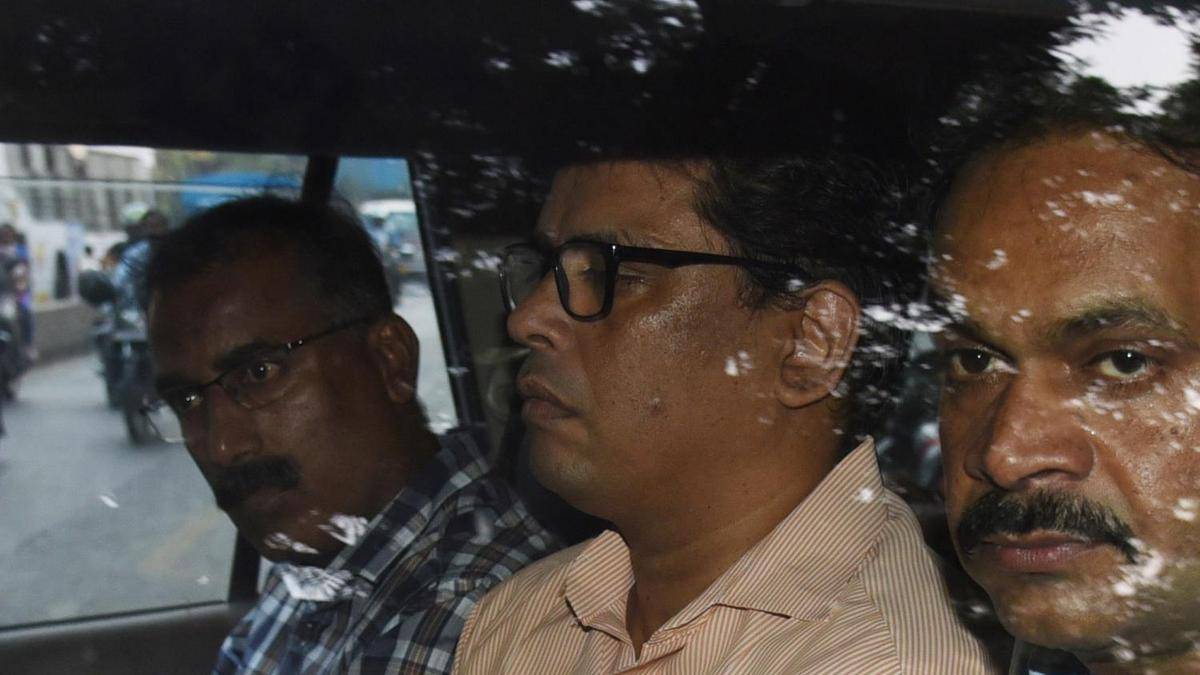
Associate Professor A. Kalaiyarasan reported that three policemen in plain clothes arrived at his Adyar residence early in the morning. He stated that the officers took his mobile phone and transported him to Pammal in a rented car.
He alleged that the officers did not show him an official complaint or an FIR during the process. The professor was questioned regarding an allegedly abusive comment directed at Pallavaram TVK MLA J. Kamatchi.
During the journey, the officers kept the vehicle parked by the roadside for about 45 minutes. They were making and receiving phone calls during this time before eventually telling him they had been instructed to drop him home.
It is clear that the professor found the experience distressing. He described the incident as harassment and humiliation.
Why this matter matters
This incident highlights the growing intersection of digital identity theft and law enforcement procedures in India. The professor expressed concern that such actions could impact the academic community.
Academics who engage in public policy debates.
Individuals vulnerable to digital impersonation and identity theft.
Citizens concerned about police procedures during preliminary inquiries.
Public figures targeted by abusive social media content.
Professor Kalaiyarasan noted that the incident caused him humiliation. He fears that such experiences might discourage people from participating in open political discourse.
If academics don't feel safe, they might stop contributing to public policy. This is why the issue matters for the broader intellectual community.
How we got here
Police investigations into social media content often involve verifying the origin of posts. In this case, the officers identified an Instagram account using the professor's photograph and the username @youvijayamani.
Professor Kalaiyarasan maintained that he does not possess an Instagram account. He suggested that his photograph may have been sourced from the Harvard University website, where he previously served as a research affiliate.
Reality check
Police clarified that the Instagram account carried his photograph along with abusive content. Suspecting that he might have posted the comment, personnel questioned him and examined his mobile phone.
After scrutiny, they concluded that he had not posted the content. Following further verification, the personnel returned his phone and dropped him home, though the professor remains distressed by the initial detention.
It isn't always easy for police to verify digital identities quickly. However, the lack of formal documentation at the start of the inquiry remains a point of contention for the professor.
What happens next
The professor has submitted a formal complaint to the Director General of Police. He is now seeking accountability for what he describes as unlawful detention and the misuse of his personal image.
The Director General of Police may review the complaint filed by the professor.
Internal departmental inquiries could be initiated to examine the conduct of the officers involved.
Authorities may continue to investigate the source of the fake Instagram account to identify the actual culprit.
You'll likely see further updates if the Director General of Police decides to take formal action. The investigation into the fake account itself remains a separate task for the authorities.
Who should buy and who should skip
Those who value academic freedom and political debate should support transparent police processes.
Individuals who are active online should monitor their digital footprint to prevent identity misuse.
Those who believe that police should have unrestricted access to citizens without formal documentation may skip this concern.
People who do not engage in public discourse may feel this issue isn't relevant to their daily lives.
Verdict
This situation illustrates the urgent need for clearer protocols when police investigate digital crimes. It is essential that authorities balance the need for public order with the protection of individual rights and privacy. Protecting academics from harassment is crucial for maintaining a healthy environment for public policy discussion.