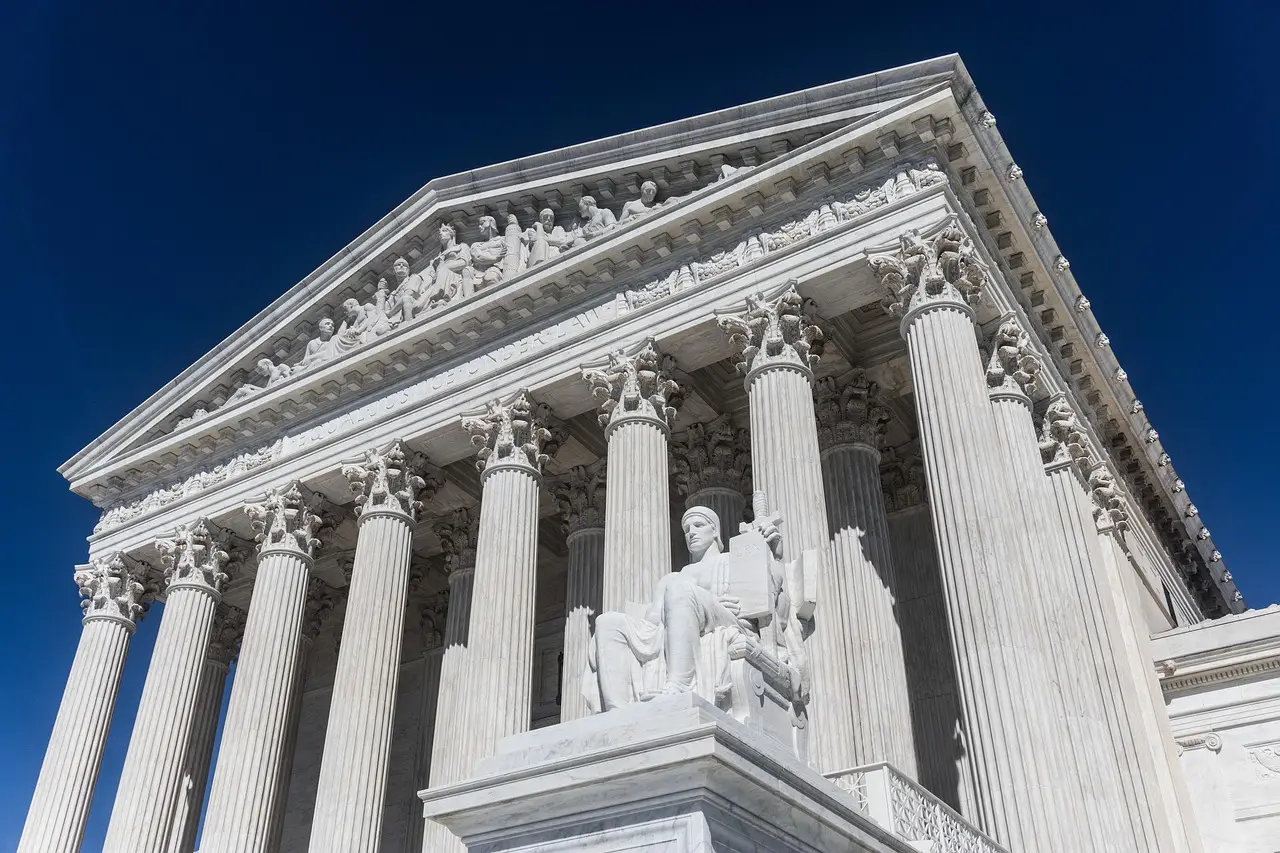
The Supreme Court set aside a preventive detention order that was based only on a confession made to a police officer. It said such a confession, without any independent evidence, cannot satisfy the legal requirement for detention, thereby strengthening protection of personal liberty.
Quelle décision a décidé le Supremes Court
Le banc des juges Dipankar Datta et Sheel Nagu a déclaré que la confession policière enregistrée seule n'est pas suffisante pour l'« satisfaction subjective » nécessaire sous le Règlement National de Sécurité.
The court examined whether a statement that the law treats as irrelevant for determining guilt could still form the basis of that subjective satisfaction. It concluded, “We think not!”
C'est pourquoi le Conseil suprême a annulé les ordres de détention initiales et confirmés ultérieurement.
La cour a également ordonné la libération de l'accusé, sauf s'il est requis dans une autre cause criminelle.
[object Object]
[object Object]
- [object Object]
- [object Object]
- [object Object]
- [object Object]
- [object Object]
By demanding corroborating evidence, the ruling curbs the risk of arbitrary detention and aligns practice with Article 20(3) of the Constitution, which protects against self‑incrimination, and Article 22, which guarantees procedural safeguards.
It also signals to police that a confession recorded in custody is presumptively unreliable, unless it leads to the discovery of a fact or is made before a magistrate.
[object Object]
Violence erupted in Sambhal, Uttar Pradesh, on November 24 2024 during a survey of a mosque, resulting in four deaths and several FIRs.
The accused was arrested on January 17 2025 in connection with other FIRs. While in custody, police recorded a confessional statement from him, after which a .32‑bore pistol was allegedly recovered.
On October 13 2025, the District Magistrate of Sambhal issued a preventive detention order under Section 3(2) of the National Security Act, citing the confession as the sole basis for "subjective satisfaction."
The State government later confirmed the order for a further period of 12 months. By June 2026 the accused had secured bail in all criminal cases related to the incident.
He challenged the detention before the Allahabad High Court, which dismissed his petition. He then appealed to the Supreme Court, arguing that the confession was obtained through torture and threats.
The State countered that a confession could be considered by a detaining authority and that preventive detention is distinct from criminal prosecution.
The Supreme Court ultimately set aside both the detention order and the confirmation order, emphasizing that a confession to police cannot, by itself, meet the constitutional requirement for preventive detention.
Qu'attendre de la suite
- [Cours] inférieurs appliquant le test de l'Supreme Court pour la matière indépendante dans les cas futurs d'emprisonnement.
- [...] les amendements législatifs possibles à la Loi sur la sécurité nationale pour clarifier les normes d'élément.
- Émission de nouvelles directives à la police concernant les déclarations et l'assurance qu’elles ne sont pas le seul fondement pour une détention.
- surveillance des demandes déposées par le gouvernement visant de l'annulation du montant ordonné à 10 millions
- Cas de suit qui équilibrera les préoccupations nationales de sécurité et les libertés individuelles.
[Ces] développements indiqueront comment la décision [transforme] le droit de prévention et de détention dans l'ensemble du pays.
Faits clés en un coup d'œil
- Confession to a police officer is presumed unreliable under Section 23 of the Bharatiya Sakshya Adhiniyam, 2023.
- "Subjective satisfaction" for detention must rest on material beyond a custodial confession.
- The Supreme Court overturned the Allahabad High Court’s earlier approval of the detention.
- Le tribunal a été ordonné de payer 10 millions en dommages et intérêts.
- Le condamné a été libéré, sauf si il est poursuivi pour une autre procédure.
The ruling underscores that preventive detention, while constitutionally permitted, remains subject to strict procedural safeguards and judicial scrutiny.
Read the news report this explainer is based on: What did the Supreme Court say about preventive detention based on custodial confession? | Explained.
Source: Ebenezer News Explainer Desk · Ebenezer News Explainer Desk. Published 12 Oct 2026, 08:05 am.