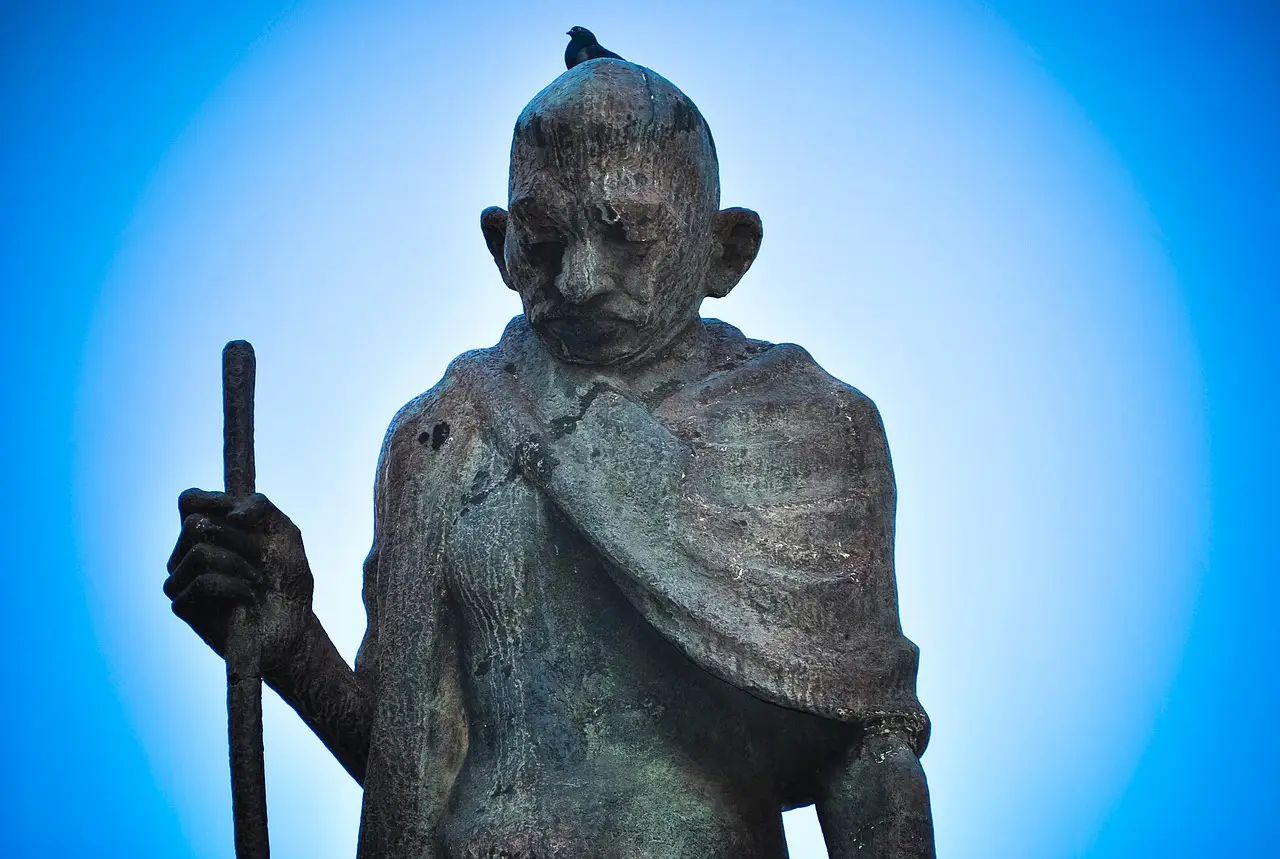
Mahatma Gandhi's 1922 Dissent StatementEchoes in Delhi Protests
Les jeunes manifestants de la rue, qui demandent une rétenue et des droits constitutionnels à Delhi, ont fait des comparaisons avec le discours de Mahatma Gandhi sur la dissidence pacifique en 1922 dans un contexte d'embargo sécuritaire.
Ebenezer News Explainer DeskExplainers are written from our published summary and its cited sources, then checked against them.11 Oct 2026, 09:56 amUpdated 40 min ago4 min readIndiaIndia
Mahatma Gandhi's 1922 Dissent Statement Echoes in Delhi Protests
Les manifestants de jeunesse à Delhi ont été arrêtés, qui ont appelé à la résistance passive face à une mise en place sécuritaire. Les actions et les demandes d'apaisement et de droits constitutionnels reflètent le discours judiciaire de Mahatma Gandhi sur la confrontation du pouvoir par la dissente pacifique en 1922.
Youth Protesters Detained in Delhi
Les manifestants de la jeunesse ont été arrêtés dans la capitale nationale. Ils avaient appelé à une résistance passivement. Cela s'est produit au milieu d'une importante accumulation des forces de sécurité.
The protesters were demanding the resignation of Chief Election Commissioner Gyanesh Kumar. They were also seeking restraint and constitutional rights. Their actions led to their detention.
Pourquoi les Paroles de Gandhi M'ont-Elles Signifie-Tant-Ou-Mieux-Aujourd'hui
Mahatma Gandhi's 1922 court statement on dissent is being recalled. This is happening as current protests in Delhi mirror aspects of his struggle against power. The protesters' demand for constitutional rights and peaceful resistance resonates with Gandhi's philosophy.
La position de Gandhi soulignait que l'affection ne peut pas être manufacturée ou régulée par la loi. Il a affirmé le droit d'exprimer une désapprobation sans inciter à la violence. Il a également déclaré que non-violence signifiait un soumettement volontaire aux peines pour les non-coopérations.
Ces principes sont fondamentaux pour l'expression démocratique. Ils soulignent le droit de faire des grèves pacifiques, même contre la puissance du gouvernement.
Le droit à la liberté de parole et d'expression.
Le droit à la formation de groupe et aux assemblées pacifiques.
Le droit d'émettre des protestations pacifiques pour exprimer ses inquiétudes.
Comment nous sommes arrivés ici
La déclaration de Gandhi a été faite dans un tribunal colonial le 18 mars 1922. Il était en train de défendre la liberté d'exprimer une désapprobation. Il a distingué entre les actions non-violentes et violentes.
La déclaration de Gandhi est venue pendant une procédure sur l'insulte. Il se défendait du droit d'exprimer des désaccords pacifiques. Il a distingué entre la non-violence non-coopération et les actions violentes.
Dans le post-independence Inde, la Cour suprême a upholdé le souffle de la déclaration de Gandhi. L'article 19 du Constitution enshrine les droits à la liberté de parole, d'expression, à la formation de groupe et aux assemblées pacifiques.
The Supreme Court has affirmed that public streets are natural venues for expressing opinions. While reasonable restrictions for public order are permissible, arbitrary bans are not.
A 1972 Supreme Court judgment stated that the right to assemble could not be abridged except by reasonable restrictions after the Constitution's commencement.
In 2016, the Supreme Court reiterated that peaceful protest is a fundamental right. It recognised organised, non-violent protest marches as a key weapon in India's struggle for Independence.
Que se passe-t-il ensuite ?
The current situation in Delhi involves detained protesters. Their detention raises questions about the balance between public order and fundamental rights.
Future actions may involve legal challenges to the detentions. These could be based on constitutional rights to peaceful assembly and expression.
Watch for any legal petitions filed by or on behalf of the detained protesters.
Observe how authorities respond to demands for restraint and constitutional rights.
Monitor any further statements from judicial bodies regarding protest rights.
Faits clés en un coup d'œil
Les manifestants jeunes étaient arrêtés à Delhi.
[Ils] prirent la défiance en face d'une construction de sécurité.
Manifestants ont exigé la démission du directeur général des élections, Gyanesh Kumar.
[[leurs]] actions échoient à la déclaration de [[Mahatma Gandhi]] en cour en 1922 sur le désobéissance.
[Gandhi] a déclaré que l'affection ne peut pas être fabriquée ou régulée par la loi.
Il affirmait la liberté d'expresser le désaccord sans susciter de violences.
La Constitution indienne énonce les droits à la liberté de parole et d'assemblée pacifique.