On Saturday, about 7,000 people were detained in Delhi and released late at night after the court freed top leaders of the Gen Z‑led Cockroach Janta Party. The incident matters because it highlights tensions over electoral roll updates and the government's tight control of public gatherings.
What happened on the streets of Delhi
The court ordered the release of Abhijeet Dipke and two other senior CJP leaders, who had been detained on arrival in the capital.
Police refused permission for the protest to take place at Jantar Mantar.
Unprecedented curbs were in place to prevent protesters from reaching the venue.
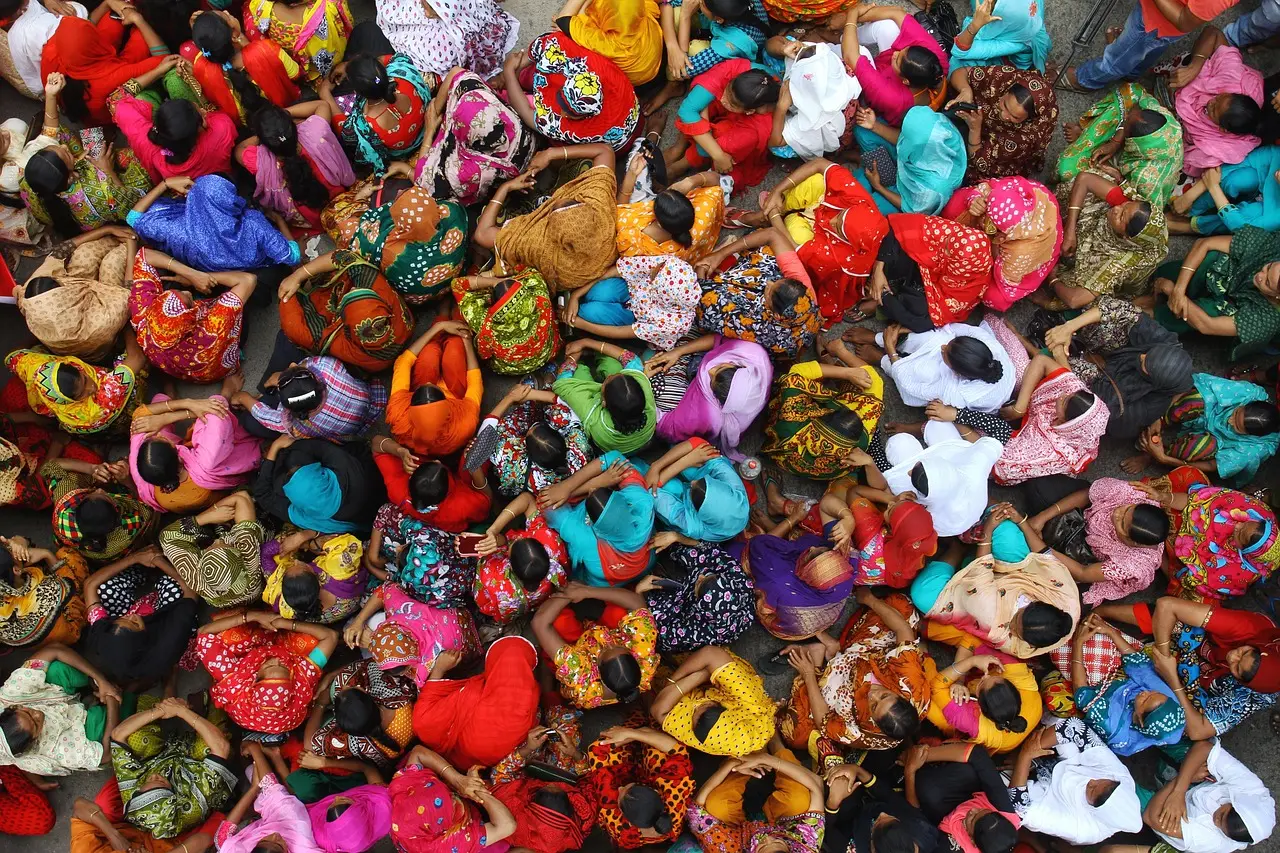
Thousands did try to protest, and media reports said 7,000 were detained.
These protesters were released late on Saturday night.
Police say they will keep restricting access to the city centre.
Why it matters for Indians
- Young voters and job‑seeking graduates who joined the CJP protests
- Political parties that see the electoral‑roll purge as a partisan issue
- Election officials tasked with updating voter lists
- Law‑enforcement agencies managing large‑scale public order
- Citizens who rely on public spaces like Jantar Mantar for peaceful assembly
The movement’s demand for the resignation of Chief Election Commissioner Gyanesh Kumar adds pressure on the Election Commission ahead of crucial state elections.
This is happening just months before those state elections.
How we got here – background of the dispute
The CJP was born after a May post by Dipke responded to a remark by Chief Justice Surya Kant that likened jobless youngsters to “cockroaches”.
Dipke later said the comments were misinterpreted.
Dipke, who previously worked with the opposition Aam Aadmi Party, had just completed a master's degree when he posted his question on X.
The post went viral, and the CJP was born.
The group first gained attention during weeks of demonstrations over the summer demanding education reforms.
Their five‑week‑long protest ended in celebration in July after the resignation of India's education minister.
Its current focus is the nationwide electoral‑roll update.
The Election Commission has said it is a routine exercise.
The goal is to weed out dead, duplicate or ineligible voters.
At least 130 million voter names have been purged from the rolls so far.
In many states, the exercise has been controversial.
Tens of thousands of people allege they have been wrongly removed.
The CJP and opposition parties accuse Gyanesh Kumar of favouring the ruling party.
They allege manipulation of voters' lists.
The Election Commission has denied these allegations.
What happens next – what to watch
- Courts may review the one‑year condition placed on the released leaders and decide if they can join future protests.
- Police are likely to maintain the lockdown‑like restrictions around central Delhi, including closed metro stations and railway services.
- The Election Commission may face further legal challenges over the removal of about 130 million voter names.
- Opposition parties could use the issue to rally support ahead of upcoming state elections.
- Activists may organise new demonstrations at alternative venues if permission for Jantar Mantar remains denied.
The situation remains fluid, and authorities have warned that any breach of peace could lead to renewed detentions.
Key facts at a glance
- About 7,000 people were detained and released on Saturday.
- Police shut at least 45 metro stations and cancelled major train services.
- The court freed three CJP leaders on the condition they avoid breaching peace for one year.
- The electoral‑roll purge has removed roughly 130 million names so far.
- The CJP is not registered as a political party in India.
- Roads around central Delhi were barricaded and shops closed during the crackdown.
Read the news report this explainer is based on: Delhi sees more protests as 'cockroach' group's leaders released.
Source: Ebenezer News Explainer Desk · Ebenezer News Explainer Desk. Published 11 Oct 2026, 09:00 am.