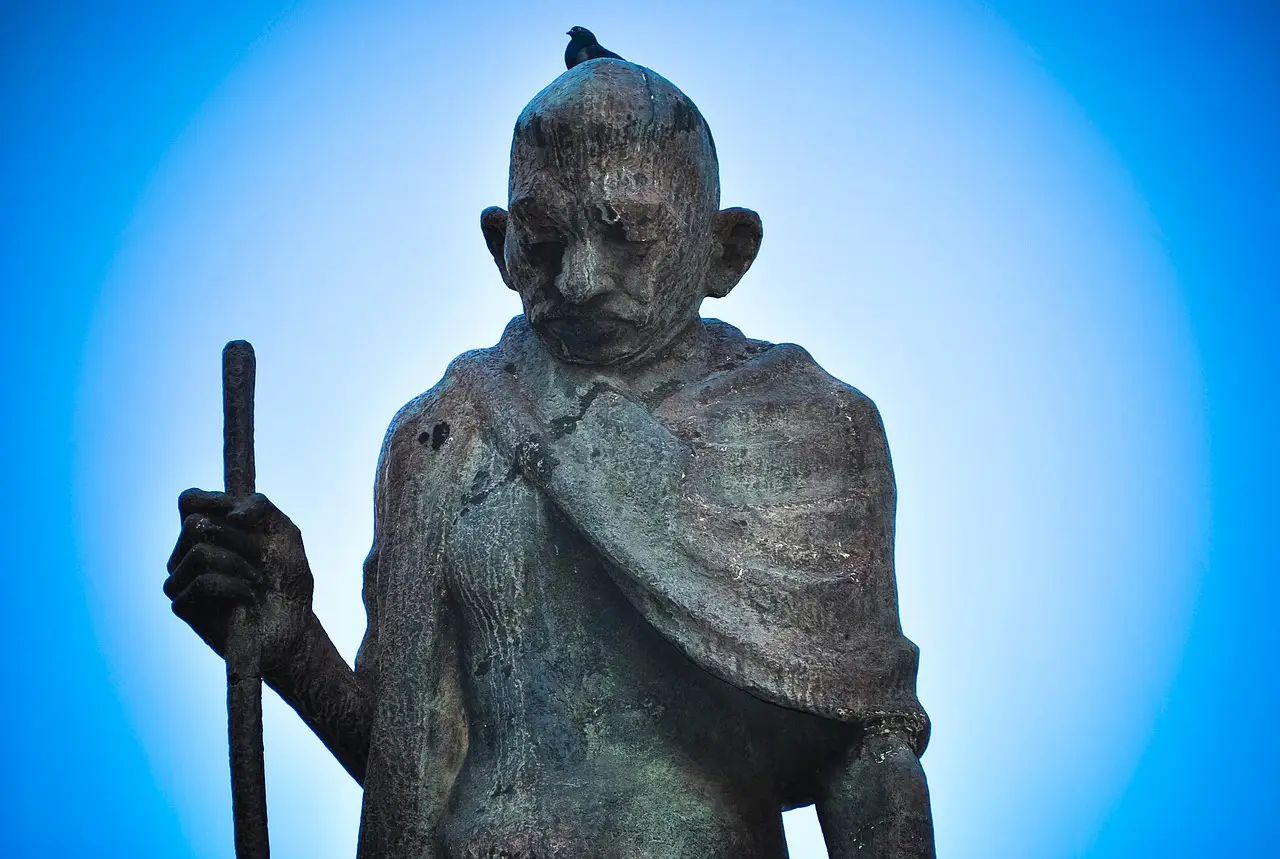
بيان غاندي في سلمانات عام 1922ي echoed في مظاهرات دلهي
Youth protesters demanding restraint and constitutional rights in Delhi have drawn parallels to Mahatma Gandhi's 1922 court statement on peaceful dissent amidst a security clampdown.
Ebenezer News Explainer DeskExplainers are written from our published summary and its cited sources, then checked against them.11 Oct 2026, 09:56 amUpdated 41 min ago3 min readIndiaIndia
بيان غاندي في سلمانات عام 1922 ي echoed في مظاهرات دلهي
المستجرون في دلهي، الذين ادعوا للامتناع عن التظاهر في ظل تكثيف الأمن، تم اعتقالهم. و echoes تصريحات القاضي في المحكمة عام 1922 ل confronting السلطة بالاستناد إلى النضال السلمي.
شباب متحمسين تم اعتقالهم في دلهي
Youth protesters were detained in the national capital. They had called for passive resistance. This occurred amidst a significant build-up of security forces.
المظاهرات كانت تطالب برحيل رئيس المفوضية العليا للانتخابات جيانيش كومار. وكانت أيضاً تتمنى التهدئة وحقوق التشريعية. أدت أفعالهم إلى اعتقالهم.
لماذا يهم كلمات غاندي الآن
البيان القانوني لـ ماهر غاندي في المحكمة عام 1922 يُذكر الآن. ويحدث ذلك مع انتشار الاحتجاجات الحالية في دلهي التي تشبه نضاله ضد السلطة. طلبات المشاركين في الاحتجاجات за حقوق التشريع والمقاومة السلمية تناغم مع فلسفة غاندي.
stance الذي للكانغشي كان يظهر أن التقدير لا يمكن تكوينه أو ضبطه بالقانون. و声称 الحرية للتعبير عن عدم الاعتراف بدون تشجيع العنف. أيضاً أشار إلى أنه يعني السماح بمعاقبة غير التعاون من دون القبول.
هذه المبادئ هي أساسية لحرية التعبير. تؤكد على الحق في الرأي بالطرق السلمية، حتى ضد القوة الحكومية.
الحق في حرية التعبير والتعبير.
الحق في التأسيس والاعتصام السلمي.
الحق في طرح الشكاوى من خلال الاعتصام السلمي.
كيف وصلنا إلى هنا
قال مانع غاندي في محكمة殖民主义 يوم 18 مارس 1922. كان يواجه التهمة للكتب التي نشرها في جريدة 'الشباب'.
Gandhi's statement came during a sedition trial. He was defending the right to express dissent. He distinguished between non-violent non-co-operation and violent actions.
بعد الاستقلال في الهند، اعتبرت المحكمة العليا في إندونيسيا الشعور بالروح التي تركها غاندي. Article 19 من الدستور يضمن الحق في التعبير الحر والتعبير الحر والتنظيم والتظاهر peacefully.
The Supreme Court has affirmed that public streets are natural venues for expressing opinions. While reasonable restrictions for public order are permissible, arbitrary bans are not.
A 1972 Supreme Court judgment stated that the right to assemble could not be abridged except by reasonable restrictions after the Constitution's commencement.
In 2016, the Supreme Court reiterated that peaceful protest is a fundamental right. It recognised organised, non-violent protest marches as a key weapon in India's struggle for Independence.
ماذا يحدث بعد ذلك؟
The current situation in Delhi involves detained protesters. Their detention raises questions about the balance between public order and fundamental rights.
Future actions may involve legal challenges to the detentions. These could be based on constitutional rights to peaceful assembly and expression.
Watch for any legal petitions filed by or on behalf of the detained protesters.
Observe how authorities respond to demands for restraint and constitutional rights.
Monitor any further statements from judicial bodies regarding protest rights.
حقائق رئيسية في لمحة
protesters من الشباب تم اعتقالهم في دلهي.
They called for passive resistance amid a security build-up.
المظاهرات طلبت تغيير الإدارة العليا للانتخابات من رئيسها جيانيش كومار.
Their actions echo Mahatma Gandhi's 1922 court statement on dissent.
قال غاندي أن الإيجابية لا يمكن توليدها أو ضبطها بالقانون
قال إن الحرية للتعبير عن الرفض دون تشجيع العنف
الدستور الهندى يحفظ حقوق التعبير الحر وتنظيم الحركة السلمية.