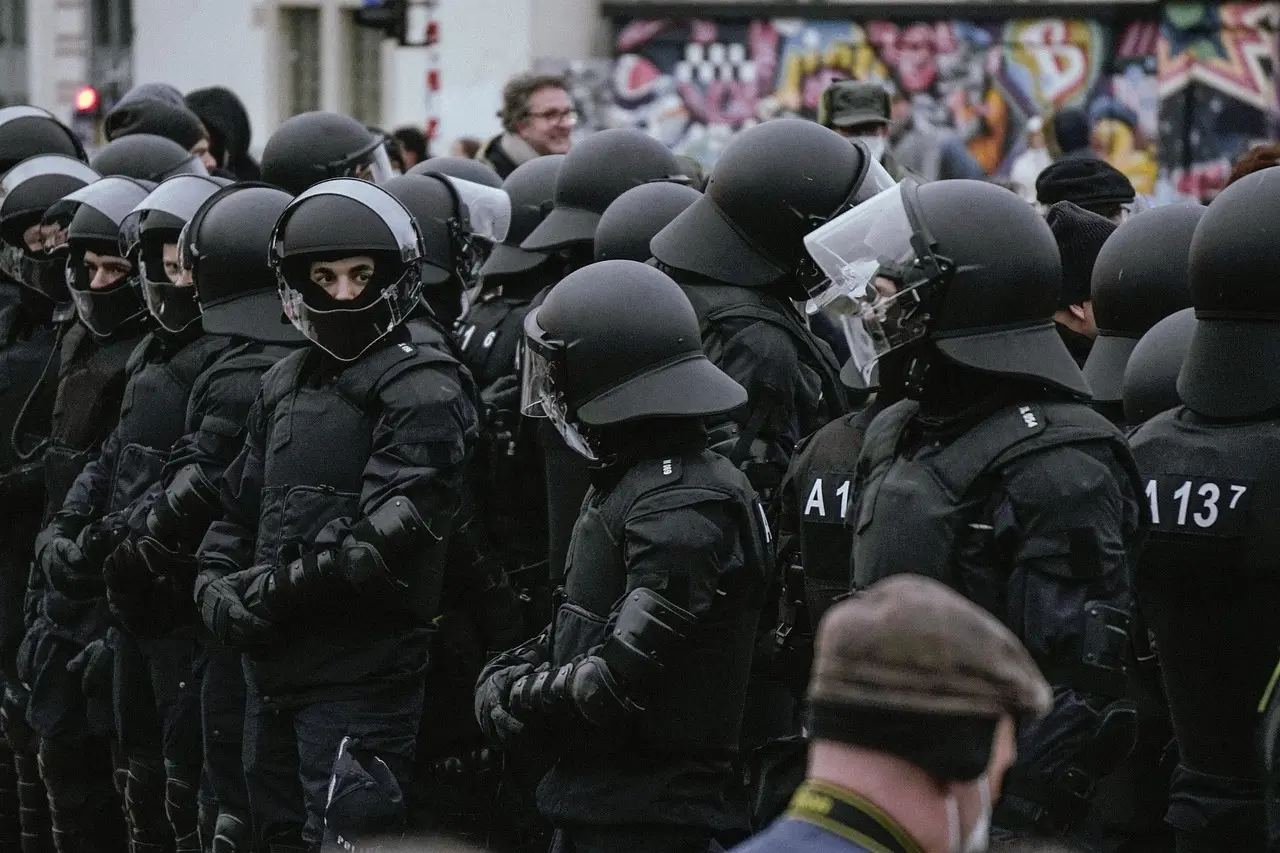
On October 10, 2026, Delhi police fortified the capital and barred entry to Jantar Mantar, detaining activists and Cockroach Janta Party (CJP) leaders. Protesters responded by dispersing across the city, holding brief flash demonstrations to keep pressure on the demand for the chief election commissioner’s resignation.
What happened on the ground in Delhi
Before sunrise, the Border Security Force, Central Reserve Police Force, Rapid Action Force and other police units were positioned at key points in New Delhi. Their orders were to stop anyone from reaching the Jantar Mantar protest site.
At Hazrat Nizamuddin Railway Station, armed personnel monitored exiting passengers, while the police set up barricades on Jantar Mantar Road‑Ashoka Road roundabout and the Windsor Place circle.
By 9 a.m., three individuals – a 25‑year‑old software engineer, a 63‑year‑old woman and her 36‑year‑old daughter – were detained and placed on buses after holding a poster for about 15 minutes.
Other citizens, such as a 19‑year‑old college student who spent the night in a car outside Bangla Sahib Gurudwara, also tried to join the protest but were turned away.
Students from Jawaharlal Nehru University slipped out of campus in the early hours, carrying notebooks to blend in with journalists gathering outside the protest zone.
Throughout the morning, flash groups unfurled banners, shouted slogans like “Tanashahi nahi chalegi” and “SIR radd karo”, and then allowed themselves to be taken into custody on private buses used as detention vehicles.
Why it matters for Indians
- Citizens who travelled from nearby states and cities to protest
- Youth groups and student organisations demanding electoral reforms
- Families of daily‑wage workers whose livelihoods are affected by train cancellations
- Political parties that see the chief election commissioner’s role as pivotal
- The broader public concerned about alleged vote‑theft linked to the SIR exercise
These groups face the risk of detention, loss of work and limited space for peaceful assembly, raising questions about democratic rights in the capital.
The detentions also signal how quickly the state can limit a traditionally protected protest space, potentially setting a precedent for future dissent.
How we got here – background of the dispute
The protest, labelled ‘Jantar Mantar 2.0’, was organised by youth organisations seeking the resignation of Chief Election Commissioner Gyanesh Kumar. They allege that a special intensive revision (SIR) exercise enabled vote theft.
The Cockroach Janta Party (CJP) emerged as a key player, with its leaders Abhijit Dipke, Saurav Das and Ashutosh Ranka detained on the day of the protest. Their arrest sparked wider anger among supporters.
Jantar Mantar has long been a symbolic site for mass dissent in India. Authorities can invoke public‑order provisions to restrict entry when they anticipate large crowds or potential unrest.
In this case, the police cited the need to prevent a “Jantar Mantar 2.0” scenario, where a massive gathering could turn volatile.
The background also includes a broader climate of electoral controversy, with opposition groups accusing the Election Commission of favouring the ruling party through the SIR exercise.
What happens next – what to watch
- Courts may hear petitions challenging the detentions and the police’s use of force.
- Political parties could raise the issue in Parliament or state assemblies.
- Human‑rights organisations may file complaints with the National Human Rights Commission.
- Further flash protests may appear in other parts of Delhi or other cities.
- The Election Commission could respond to the demand for the chief election commissioner’s resignation.
Watch for statements from senior police officials about the “last‑resort” use of force, as mentioned in debriefing sessions.
Monitor social‑media trends for new slogans or coordinated flash‑mob actions that bypass traditional protest sites.
Key facts at a glance
- Date of the police action: October 10, 2026
- Main protest location blocked: Jantar Mantar, New Delhi
- Leaders detained: members of the Cockroach Janta Party
- Ages of three detained individuals: 25, 63 and 36
- Time of first detentions: by 9 a.m.
- Security forces involved: BSF, CRPF, RAF and Delhi police
The day ended with protesters repeatedly emerging from nearby places such as the Bangla Sahib Gurudwara, raising slogans, and being escorted onto private buses used as detention vehicles. The pattern of flash protests and police chase continued into the late afternoon, illustrating a tense standoff between civic dissent and state security measures.
Read the news report this explainer is based on: Morning shows the day as citizens display grit to beat Delhi Police’s efforts to stop ‘Jantar Mantar 2.0’.
Source: Ebenezer News Explainer Desk · Ebenezer News Explainer Desk. Published 10 Oct 2026, 05:15 pm.