Ebenezer News Explainer DeskExplainers are written from our published summary and its cited sources, then checked against them.10 Oct 2026, 06:10 pmUpdated 2h ago3 min readIndiaIndia
The UN High Commissioner for Human Rights said it is concerned about mass detentions of demonstrators, protest leaders, civil‑society members, lawyers and journalists during large‑scale protests in Delhi, and called for their immediate release. The statement matters because it questions whether India’s response meets international standards of necessity and proportionality.
What happened in the Delhi protests and UN response
The Office of the United Nations High Commissioner for Human Rights issued a statement on October 10, 2026, saying it was “concerned” by reports of mass detentions before and during large demonstrations in Delhi against the Chief Election Commissioner.
The UN spokesperson, Thameen Al‑Kheetan, said the detentions were “arbitrary” and urged Indian authorities to release all those held without condition.
The statement also warned that any limits on peaceful protest must satisfy the test of “necessity and proportionality”.
Why it matters for Indian democracy and civil liberties
The UN’s concern highlights possible breaches of the right to peaceful assembly, a core democratic freedom that protects ordinary citizens, activists and the press.
If police actions are deemed disproportionate, it could affect India’s international reputation and its obligations under human‑rights treaties.
Demonstrators seeking to voice electoral concerns
Leaders of civil‑society organisations
Lawyers defending protest participants
Journalists covering the events
The broader Indian public that relies on free assembly
The call for restraint also signals to law‑enforcement agencies that excessive force may invite scrutiny from global watchdogs.
How we got here: background on protest rights and UN monitoring
India’s constitution guarantees the right to peaceful assembly, but authorities may impose reasonable restrictions for public order. International bodies, including the UN, regularly assess whether such limits are justified.
The UN Human Rights office, based in Geneva, publishes reports on member‑state compliance and occasionally issues statements when it perceives a breach of fundamental freedoms.
Its statements are usually advisory, but they carry moral weight and can influence diplomatic dialogue.
What could happen next
The Indian government may issue a formal response to the UN statement, outlining its position on the detentions.
Domestic courts could be approached to challenge the arrests, citing the UN’s call for release.
Watch for an official reply from India’s Ministry of External Affairs.
Monitor any legal petitions filed by detained individuals or NGOs.
Observe whether the UN follows up with a detailed report or further diplomatic engagement.
Track any changes in police deployment or protest‑related policies in Delhi.
Look for statements from civil‑society groups demanding compliance with the UN’s recommendations.
Key facts at a glance
The UN body expressed concern over reports of mass detentions during large‑scale demonstrations in Delhi on October 10, 2026.
It urged immediate, unconditional release of those detained “arbitrarily” and called for police restraint consistent with democratic traditions.
Detentions included demonstrators, protest leaders, civil‑society members, lawyers and journalists
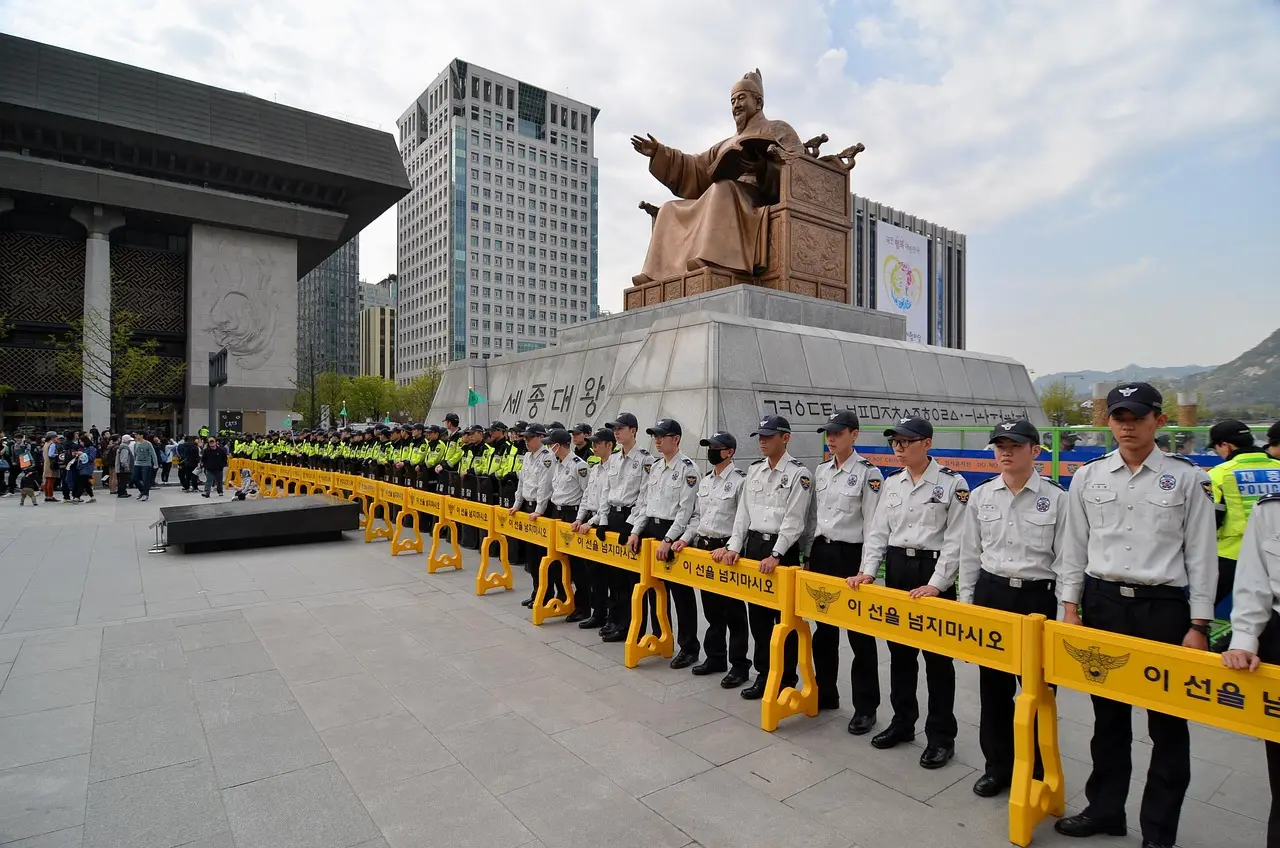
The statement referenced a large security presence, barricades, internet suspension and train cancellations
The Ministry of External Affairs did not respond to the UN’s statement
The UN call for dialogue is unusual in its directness toward the Indian government
The situation remains fluid, and further developments will depend on both domestic legal actions and international diplomatic engagement.