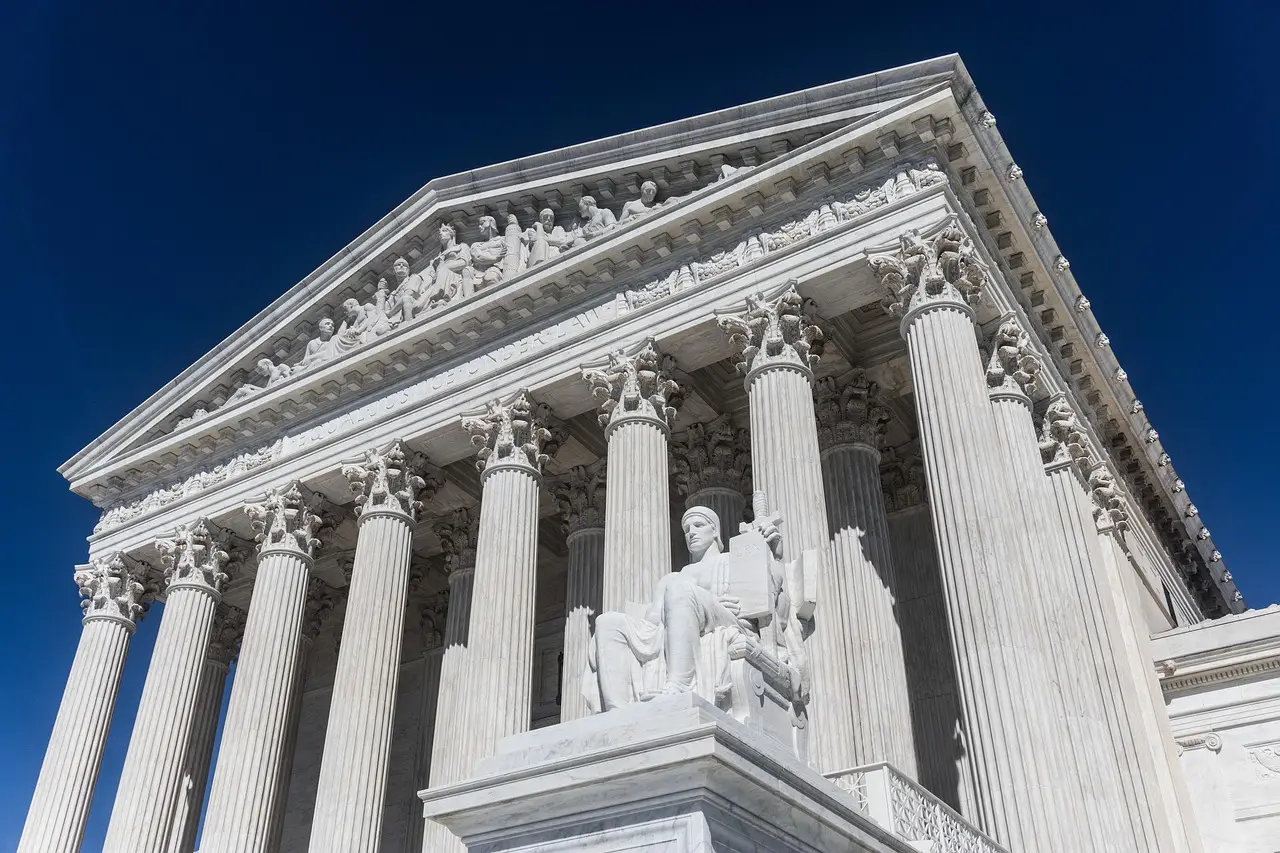
The Supreme Court set aside a preventive detention order that was based only on a confession made to a police officer. It said such a confession, without any independent evidence, cannot satisfy the legal requirement for detention, thereby strengthening protection of personal liberty.
What the Supreme Court decided
The bench of Justices Dipankar Datta and Sheel Nagu held that a police‑recorded confession alone is insufficient for the "subjective satisfaction" needed under the National Security Act.
The court examined whether a statement that the law treats as irrelevant for determining guilt could still form the basis of that subjective satisfaction. It concluded, “We think not!”
Consequently, the Supreme Court voided both the original detention order and the later confirmation order.
The court also directed the release of the accused unless he is required in another criminal case.
Why the ruling matters
The decision impacts several groups:
- Individuals facing preventive detention.
- Law‑enforcement agencies that rely on confessions.
- Courts reviewing detention orders.
- Human‑rights advocates monitoring custodial practices.
- The State, which must now produce independent material.
By demanding corroborating evidence, the ruling curbs the risk of arbitrary detention and aligns practice with Article 20(3) of the Constitution, which protects against self‑incrimination, and Article 22, which guarantees procedural safeguards.
It also signals to police that a confession recorded in custody is presumptively unreliable, unless it leads to the discovery of a fact or is made before a magistrate.
How we got here
Violence erupted in Sambhal, Uttar Pradesh, on November 24 2024 during a survey of a mosque, resulting in four deaths and several FIRs.
The accused was arrested on January 17 2025 in connection with other FIRs. While in custody, police recorded a confessional statement from him, after which a .32‑bore pistol was allegedly recovered.
On October 13 2025, the District Magistrate of Sambhal issued a preventive detention order under Section 3(2) of the National Security Act, citing the confession as the sole basis for "subjective satisfaction."
The State government later confirmed the order for a further period of 12 months. By June 2026 the accused had secured bail in all criminal cases related to the incident.
He challenged the detention before the Allahabad High Court, which dismissed his petition. He then appealed to the Supreme Court, arguing that the confession was obtained through torture and threats.
The State countered that a confession could be considered by a detaining authority and that preventive detention is distinct from criminal prosecution.
The Supreme Court ultimately set aside both the detention order and the confirmation order, emphasizing that a confession to police cannot, by itself, meet the constitutional requirement for preventive detention.
What to watch next
- Lower courts applying the Supreme Court’s test for independent material in future detention cases.
- Possible legislative amendments to the National Security Act to clarify evidentiary standards.
- Issuance of new guidelines to police on recording statements and ensuring they are not the sole basis for detention.
- Monitoring of any petitions filed by the State seeking to overturn the cost order of ₹10 lakh.
- Follow‑up cases that test the balance between national security concerns and individual liberties.
These developments will indicate how the judgment reshapes preventive‑detention practice across the country.
Key facts at a glance
- Confession to a police officer is presumed unreliable under Section 23 of the Bharatiya Sakshya Adhiniyam, 2023.
- "Subjective satisfaction" for detention must rest on material beyond a custodial confession.
- The Supreme Court overturned the Allahabad High Court’s earlier approval of the detention.
- The State was ordered to pay ₹10 lakh in costs.
- The accused was released unless held for another proceeding.
The ruling underscores that preventive detention, while constitutionally permitted, remains subject to strict procedural safeguards and judicial scrutiny.
Read the news report this explainer is based on: What did the Supreme Court say about preventive detention based on custodial confession? | Explained.
Source: Ebenezer News Explainer Desk · Ebenezer News Explainer Desk. Published 12 Oct 2026, 08:05 am.