Ebenezer News Explainer DeskExplainers are written from our published summary and its cited sources, then checked against them.24 Oct 2026, 05:24 amUpdated 1h ago4 min readIndiaIndia
How the El Nino water and power crisis affects Telangana
Telangana faces a potential drinking water and electricity crisis until July due to El Nino conditions. The government is urging citizens to conserve resources and is preparing new employment schemes to help those affected by the situation.
Simple details
The crisis is expected to persist until July.
Power demand has reached 20,000 MW.
Previous demand was 13,000 MW in undivided Andhra Pradesh.
15 lakh pump sets have already dried up.
The new employment scheme will run for four months until May.
What happened
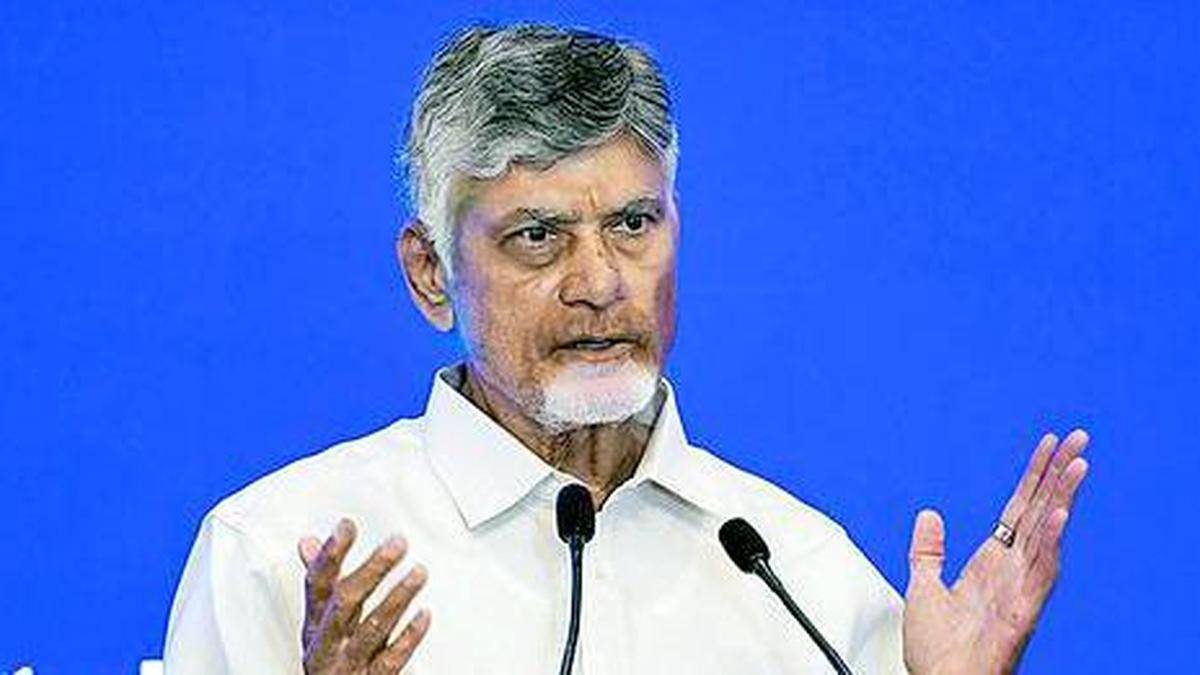
Chief Minister A. Revanth Reddy has warned that Telangana may face a drinking water crisis lasting until July. This challenge is linked to the impact of El Nino.
This phenomenon is currently affecting water availability and increasing electricity consumption across the state.
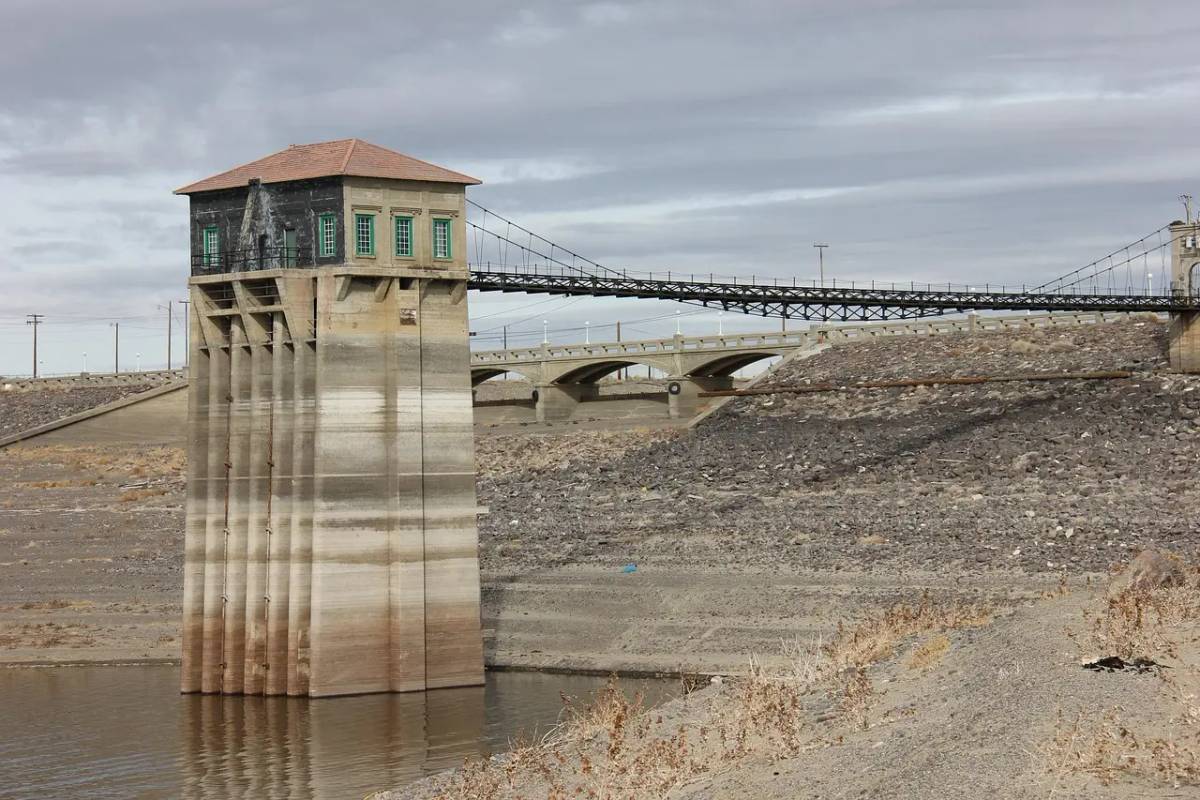
Reservoirs and irrigation projects currently hold limited water stocks. The Chief Minister noted that there isn't even 200 tmc feet of water remaining in these reservoirs.
He also pointed out that 15 lakh out of 30 lakh pump sets have already dried up.
The state is currently experiencing a power demand of 20,000 MW. This is significantly higher than the 13,000 MW recorded in undivided Andhra Pradesh during the same period.
Why it matters
This crisis impacts a wide range of people across the state. It affects everyone from urban residents to those working in the agricultural sector.
The government is concerned that the severity of the situation could lead to significant hardships. They believe it's vital that citizens adapt their consumption habits.
Residents facing potential drinking water shortages.
Farmers struggling with limited irrigation for crops.
Workers requiring employment support during the dry season.
Government offices needing to reduce electricity usage.
Livestock owners needing fodder and water for animals.
Reality check
Managing this crisis is difficult because El Nino is a global phenomenon. It's not just a local issue.
It is currently affecting countries like England and the United States. It is also affecting other Indian states such as Maharashtra, where some regions have already introduced water rationing.
The government faces challenges in communicating these risks. While officials have been alerting the public for the last six months, political opponents have accused the administration of bringing drought to the region.
This makes it harder for officials to get the public to follow conservation advice. You'll find that officials are now being told not to conceal the severity of the problem.
How we got here
The state is dealing with the consequences of high temperatures and depleted water resources. The government has asked consumers to avoid unnecessary use of power and water.
Government offices have been specifically asked to adopt measures to conserve power. Officials have been told to be open so the public understands the measures being taken.
What happens next
The government plans to implement several measures to manage the crisis and support the public. Officials have been instructed to be transparent about the severity of the situation.
The government will implement a special employment guarantee scheme after Sankranti.
Farmers are encouraged to cultivate only rainfed crops and vegetables.
Authorities will organize cultural troupes to motivate the agricultural community.
Officials will focus on providing water for the upcoming kharif crop.
Who should buy and who should skip
Farmers who should choose rainfed crops and vegetables.
Citizens who should adopt water and power saving habits.
Government offices that must implement conservation measures.
Farmers who should skip high-water intensive crops this season.
Consumers who should skip unnecessary power and water usage.
Verdict
The situation requires residents to adapt their daily habits to survive the summer. By following government advice on crop selection and resource conservation, citizens can help mitigate the impact of the crisis.
The state's focus on providing employment and protecting livestock is a necessary step to maintain stability. It's a challenging time for everyone involved.