Phuong Le24 Aug 2026, 10:00 amUpdated 1d ago2 min readIndiaIndia
India — Phuong Le
Marching in the Dark review – rural Indian widows show stunning resilience as they battle poverty and taboos
Kinshuk Surjan’s documentary follows women in dire financial straits whose bereavement compounds their social plight, which they confront together
Out in rural India, a crisis casts a dark cloud over the seemingly tranquil vistas of wheat fields and soy farms. Over the past 20 years, more than 400,000 farmers have killed themselves , beset by mounting debts and low market prices for crops. Shot in Maharashtra, the state with the highest rate of farmer suicides in India, Kinshuk Surjan’s documentary sensitively captures another tragedy that lingers after death: left behind by their dead husbands, generations of grieving widows struggle to find their way in a society still burdened by patriarchal values.
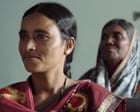
Sanjivani, a woman in her 30s, is one such case. Eight years after her husband killed himself, she has taken over some of the farming responsibilities, along with other odd jobs, to provide for her two children. The camera rarely finds her at rest; Sanjivani not only works in the fields but also performs domestic labour for her extended family – cooking, cleaning and doing laundry. Her resilience is stunning to witness, but even more impressive is the emotional support provided by a tight-knit network of other widows. Together, the women gather for counselling sessions where they can freely discuss their emotional, physical and financial issues.
Out in rural India, a crisis casts a dark cloud over the seemingly tranquil vistas of wheat fields and soy farms. Over the past 20 years, more than 400,000 farmers have killed themselves , beset by mounting debts and low market prices for crops. Shot in Maharashtra, the state with the highest rate of farmer suicides in India, Kinshuk Surjan’s documentary sensitively captures another tragedy that lingers after death: left behind by their dead husbands, generations of grieving widows struggle to find their way in a society still burdened by patriarchal values.
This report is published with credit to The Guardian. Full available text from the wire is above. Read on The Guardian →
Source: The Guardian · Phuong Le. Published 24 Aug 2026, 10:00 am.