The INDIA bloc held a symbolic event to challenge the Chief Election Commissioner over alleged voter deletions, claiming the 2024 election legitimacy is compromised.
Ebenezer News Explainer DeskExplainers are written from our published summary and its cited sources, then checked against them.31 Oct 2026, 02:34 pmUpdated 2h ago5 min readIndiaIndia
INDIA bloc’s ‘public impeachment’ of CEC explained
The INDIA bloc held a symbolic 'public impeachment' of Chief Election Commissioner Gyanesh Kumar in New Delhi. They alleged that the deletion of 13.2 crore voter names undermined the legitimacy of the 2024 Lok Sabha elections. This event marks a sharp escalation in political tensions over electoral integrity.
Simple details
The event was held at 10 Rajaji Marg, New Delhi
13.2 crore voter names were cited as deleted in the resolution
Rahul Gandhi claimed the deletion affected one in seven voters
The opposition accused the CEC of acting without parliamentary oversight
The BJP rejected the allegations as baseless and politically motivated
Traffic restrictions were announced for the November 1 rally in Delhi
The symbolic protest event
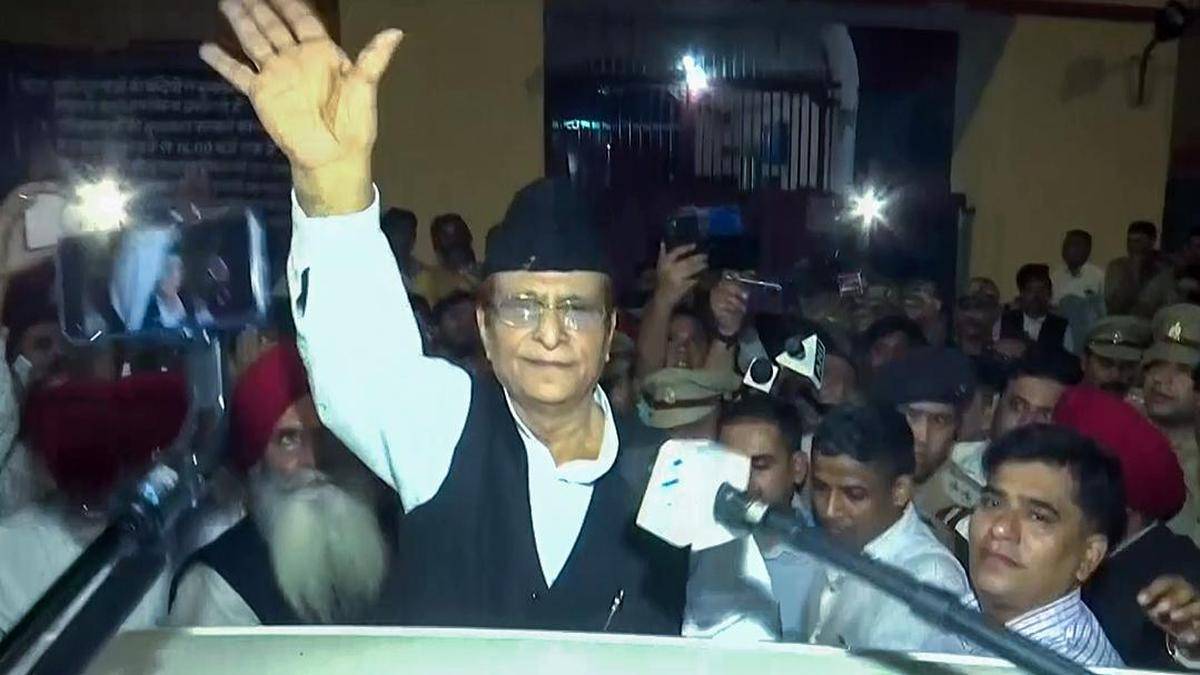
The INDIA bloc’s 'public impeachment' began on October 31, 2026, at the residence of Congress president Mallikarjun Kharge in New Delhi. Former Lok Sabha Speaker Meira Kumar chaired the proceedings, giving the event a parliamentary-like structure.
The gathering served as a platform for opposition leaders to voice grievances against the Election Commission. It was a highly organized political event with specific charges read out.
Rahul Gandhi, the Leader of the Opposition in the Lok Sabha, addressed the crowd. He alleged that the deletion of 13.3 crore voter names had severely impacted the election outcome.
He claimed this number far exceeded the 3% vote margin between the Opposition and the BJP-led alliance. This specific figure was central to his argument about the election's validity.
Impact on electoral trust
The core of the opposition’s argument is that mass voter deletions compromise the fundamental right to vote. They argue that if a significant portion of the electorate is removed without proper cause, the resulting election cannot be considered fully legitimate.
Voters whose names were deleted from electoral rolls
Political parties relying on accurate voter data for campaigning
Citizens concerned about the impartiality of election management
Legal observers monitoring constitutional compliance in elections
For many citizens, this dispute highlights fears that administrative processes might be used to influence political outcomes. The opposition leaders emphasized that protecting the vote is essential for a healthy democracy.
Reality check
The term 'impeachment' is symbolic here, as the event was not a formal legal proceeding in a court or Parliament. The opposition stated they followed legal procedure to submit a notice but were not allowed to raise the issue in Parliament.
This limits the immediate legal impact of the event itself. The political nature of the dispute means that factual verification of the deletions remains contested between the two sides.
Who should buy and who should skip
Voters who are unsure if their names are on the electoral roll
Citizens interested in understanding the role of the Election Commission
People following the political dynamics between the INDIA bloc and the BJP
Those who only seek verified legal rulings on the SIR process
Readers looking for neutral data on voter deletion rates without political context
Individuals who do not follow national political news
Verdict
This event is a significant political statement rather than a legal verdict. It highlights deep divisions over electoral integrity and the role of the Election Commission. Readers should view the claims as political allegations pending further legal or administrative clarification.
Origins of the dispute
The conflict stems from the Special Intensive Revision (SIR) of electoral rolls, a process intended to remove duplicate or ineligible entries. The opposition claims this process was misused to delete genuine voters.
They allege that the Chief Election Commissioner acted without proper parliamentary oversight or transparency. This has led to accusations of bias in the administration of elections.
Mallikarjun Kharge outlined six specific charges against the CEC, including facilitating vote theft and changing Form 6 without legislative approval. He accused the CEC of acting at the behest of Prime Minister Narendra Modi and Amit Shah.
What happens next
The immediate focus shifts to the INDIA bloc’s rally scheduled for November 1 at Ramlila Maidan in Delhi. Traffic restrictions are expected in parts of the capital from 10 a.m. to 5 p.m. on Sunday.
Monitor the turnout and messaging at the November 1 rally
Watch for legal challenges filed in court regarding the SIR process
Observe the BJP’s response to the 'treason' allegations
Track any further statements from the Election Commission
The BJP has rejected the opposition’s claims, calling the event a 'mock Parliament' that ridicules constitutional institutions. They have defended the voter registration process, stating that only Indian citizens should vote. The political standoff is likely to continue, with both sides using the issue to rally their respective bases.
Key facts at a glance
The event was held at 10 Rajaji Marg, New Delhi
13.2 crore voter names were cited as deleted in the resolution
Rahul Gandhi claimed the deletion affected one in seven voters
The opposition accused the CEC of acting without parliamentary oversight
The BJP rejected the allegations as baseless and politically motivated
Traffic restrictions were announced for the November 1 rally in Delhi